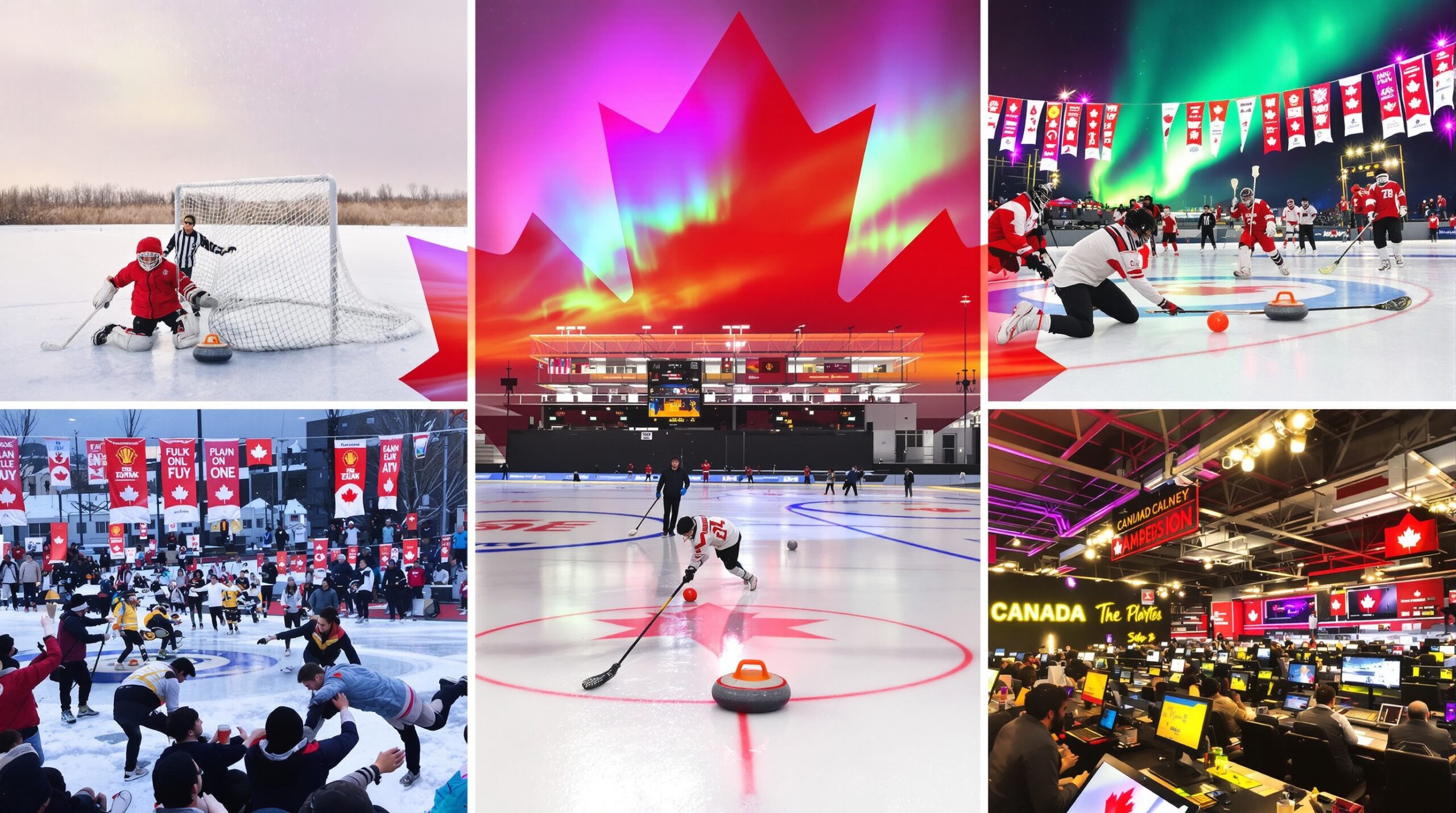
Canada and the games they play
Canada is synonymous with hockey in the global imagination, but the country’s playbook is far richer and more surprising. From Indigenous contests that predate confederation to curling sheets, street lacrosse, and world-class game studios, Canadians play to connect, compete, and celebrate community. This article explores the games that shape Canadian life, culture, and identity.
The headline acts: hockey and lacrosse
- Hockey
- Why it matters: Hockey is an emotional, cultural touchstone. Pond hockey, minor-league rinks, the NHL, and a stream of international triumphs have made the sport central to many Canadian childhoods and national myths.
-
How it lives in daily life: Community rinks and outdoor frozen ponds host practices, pick-up games, and family skates. The Stanley Cup playoffs stop entire cities in their tracks.
-
Lacrosse
- Why it matters: Lacrosse is Canada s national summer sport and has Indigenous origins. It carries deep cultural and spiritual significance for many First Nations communities and was codified into a modern competitive sport in the 19th century.
- How it lives in daily life: Box lacrosse and field lacrosse are popular in youth leagues and urban street play, and the sport remains a bridge between Indigenous traditions and contemporary Canadian sport.
Curling: quiet intensity and community ritual
Curling looks gentle on TV but is a fierce exercise in strategy, teamwork, and skill. The sport thrives at community clubs across small towns and cities. Events like the Brier and the Scotties Tournament of Hearts turn curling into national theatre each winter, and many Canadians fondly recall learning to sweep and read the ice with grandparents.
Canadian football, ringette, and other homegrown variations
-
Canadian football: The CFL plays a different game than the NFL: 12 players a side, three downs, a larger field, and unique scoring quirks. The Grey Cup is one of Canada s largest annual spectacles, blending sport, music, and national pride.
-
Ringette: Invented in Canada in the 1960s as a fast-paced, non-contact ice sport organized primarily for girls and women. It remains an important part of Canadian ice-sport culture.
-
Broomball, shinny, slo-pitch: These informal, community-driven games keep neighbourhoods active. Broomball uses shoes instead of skates and is a winter staple in many towns; shinny is the pick-up pond hockey most Canadians remember playing as kids.
Indigenous and traditional games: heritage and resilience
Long before European contact, Indigenous peoples across what is now Canada played games that built physical skill, spiritual strength, and social cohesion. Examples include:
- Hand games and bone games: Memory, strategy, and rhythm-based competitive games that also served ceremonial purposes.
- Inuit games: Strength, endurance, and agility contests adapted to Arctic life, many of which continue in cultural festivals and the Arctic Winter Games.
These traditions are experiencing a revival as communities emphasize cultural transmission, education, and reconciliation.
The rise of digital play: video games and e-sports
Canada is a global hub for game development and competitive gaming. Cities such as Montreal, Toronto, and Vancouver host major studios and indie developers. Highlights:
- Development hubs: Major studios and talented indie teams have produced internationally successful titles, fueling local economies and creative communities.
- E-sports and streaming: Canadian pro players, collegiate teams, and grassroots tournaments contribute to a growing e-sports ecosystem. Internet cafes, LAN parties, and streaming communities bring players together across distances.
Gaming isn t just a pastime; it s an industry and a cultural medium that complements Canada s athletic traditions.
Games as social glue
Across Canada, games create social bonds. Rinks, community centres, and parks are where neighbours meet, kids learn teamwork, and families form rituals. Whether it s a backyard game of catch, a curling league meal, or a late-night online squad match, play structures daily life and builds social capital.
Why this variety matters
The diversity of games in Canada reflects the country s geography, history, and multiculturalism. Cold winters helped create ice sports; Indigenous cultures contributed enduring traditions; urban centres fostered street sports and digital scenes. Together they form a mosaic of play that continues to evolve.
Quick takeaways
- Hockey and lacrosse are Canada s iconic winter and summer sports, but they are only part of the story.
- Curling, ringette, Canadian football, and informal games like shinny and broomball are vital to community life.
- Indigenous games and traditions are foundational and are being actively preserved and celebrated.
- Canada is also a major player in the video game industry and e-sports, blending physical and digital play.
Games in Canada are more than competitions. They are cultural expressions, tools for education and reconciliation, and ways to build community. The next time you picture Canadians at play, think beyond the rink: the nation s sporting and gaming landscape is as varied as its people.
If you want, I can expand on any single game or community tradition, or assemble a list of festivals, major events, and resources to try these games yourself.